
‘Tis the season of damp and mould
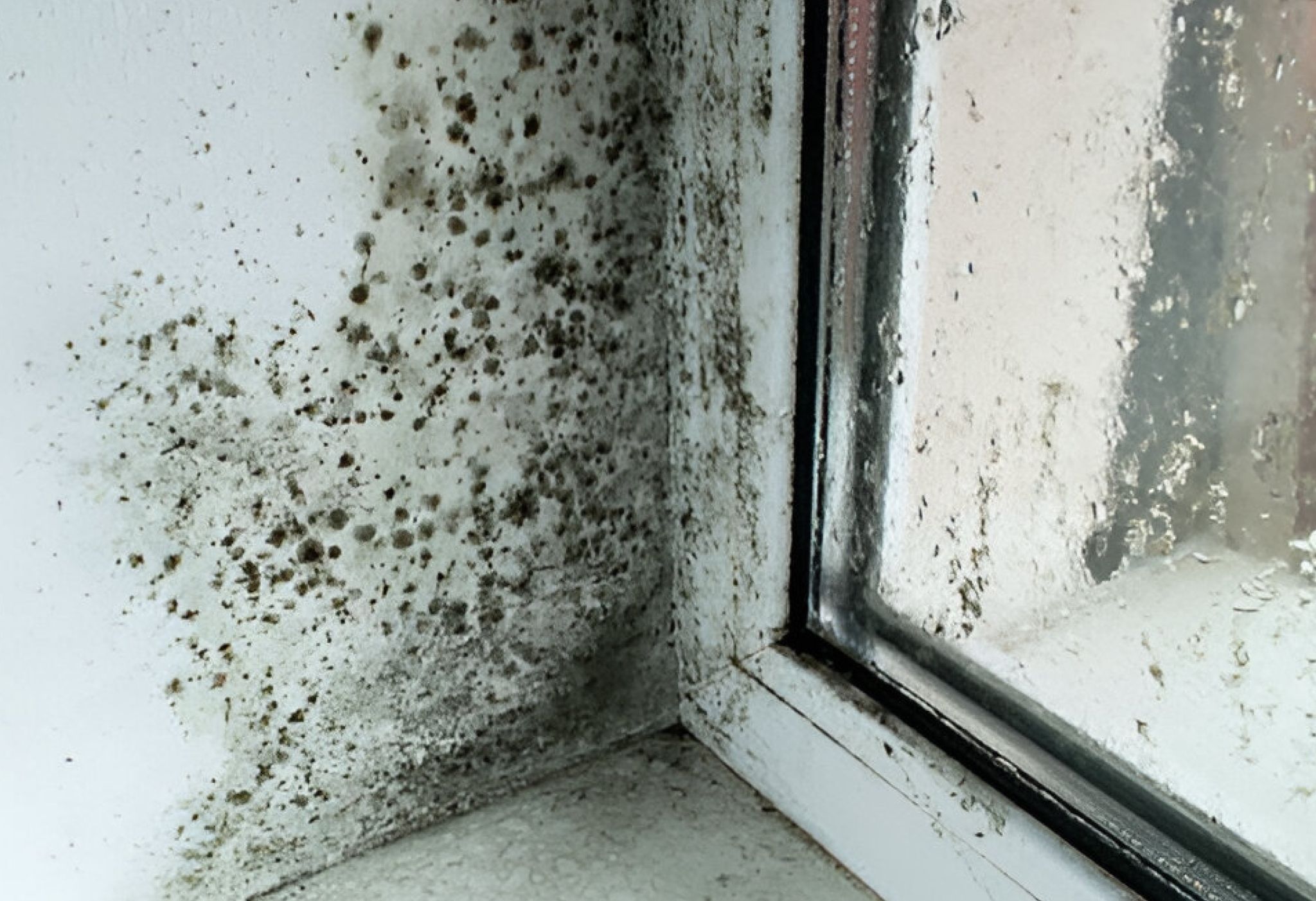
As my daughter reminded me recently with a photo of her student accommodation, this time of year more than any is the season of damp and mould – it’s cold outside, the heating is on, and there’s very little choice about where to dry your clothes. All this adds up to a lot of condensation, with nowhere to go, and that’s their favourite climate.
Landlords who take damp and mould prevention and management seriously are protecting both their tenants and their investment, and this is in line with the law, which expects nothing less. As recent guidance and survey data show, damp is widespread in the private rented sector and must be tackled proactively, not treated as a minor cosmetic issue.
Does damp and mould matter?
Guidance from the government on damp and mould makes clear that these can be serious health hazards, linked to respiratory problems, infections and poor mental health. It says that any visible damp or mould, or even a mouldy smell, is enough to trigger action, and that landlords should not wait for medical evidence from tenants before intervening.
According to the English Housing Survey, a significant proportion of homes in the private rented sector have damp severe enough to be considered as a ‘hazard’ under the Housing Health and Safety Rating System (HHSRS).
What all this means is that most landlords will come across damp or mould at some point and therefore need a clear plan for dealing with it.
Types of damp landlords should recognise
Not all damp is created equally! Understanding the type of damp is the first step towards fixing it effectively.
- Condensation damp happens when warm, moisture-laden air (from cooking, bathing, drying clothes, or simply breathing) hits a cold surface, such as an external wall or window and turns into water droplets. It is particularly common in winter, in poorly ventilated homes or in properties that have been made more airtight without improving ventilation.
- Penetrating damp occurs when water enters from outside through defects in the walls, such as cracked render, missing mortar, damaged brickwork, faulty gutters or leaking roofs.
- Traumatic damp is caused by leaks or failures inside the property – for example, leaking pipes, failed seals around baths or showers, or flooding.
- Rising damp is where moisture is drawn up from the ground through masonry due to a failed or missing damp-proof course, usually affecting ground-floor walls.
The same wall can be affected by more than one type of damp, so a careful inspection – and sometimes a professional damp survey – is often necessary.
Beating the black mould
Black mould loves damp, poorly ventilated areas such as cold corners, behind furniture on external walls, and in bathrooms and kitchens. It’s a fungus that grows particularly well where condensation repeatedly sits on the same surfaces and isn’t wiped away.
Treatment:
- Clean the visible mould away promptly using appropriate mould-removal products, and move furniture to check corners and skirting boards. Make sure you wear gloves and a mask.
Legal responsibilities and expectations
In England, it is the landlord’s responsibility to ensure that their rental properties are free from serious hazards and fit for human habitation. This includes dealing with damp and mould. The HHSRS (Housing Health and Safety Rating System) is the framework local authorities use to assess hazards in homes, including damp and mould. If serious hazards are found, the landlord can be forced to take action.
Guidance from the government is as follows:
- Take reports of damp and mould seriously and respond with urgency.
- Assess the severity and underlying cause rather than blaming tenants or putting issues down to “lifestyle”.
- Act promptly to fix structural defects, leaks, ventilation and heating problems.
- Keep tenants informed about what is being done and the likely timescales.
That’s not all. There are changes due to come in to the private rented sector under the Renters’ Rights Act, the extension of the Decent Homes Standard and Awaab’s Law. These will probably make timelines and expectations even clearer and more specific, particularly around damp and mould. Landlords who are aware and prepared for this are likely to be in a far better position than those who wait and see what happens.
Landlords: Your responsibilities if damp or mould is reported?
When concerns about damp or mould are raised, the guidance suggests the following approach:
- Respond quickly and sensitively
Acknowledge the concern, show you are taking it seriously, and arrange an inspection as soon as you can, especially if anyone in the house is considered vulnerable or has health issues. - Inspect and diagnose the cause
Depending on the location of theissue, check gutters, downpipes, roofs and external walls for defects; look for internal leaks and failed seals; and assess whether ventilation and heating are adequate. If the cause is unclear or severe, contact a qualified surveyor or damp specialist to review the case. - Address underlying defects (if any)
Fix leaks, repair roofs and gutters, improve insulation where necessary, and install or upgrade extractor fans in kitchens and bathrooms, ensuring they vent outside. - Improve ventilation and heating
Provide effective ventilation (trickle vents, air bricks, mechanical systems where needed) and ensure the heating system is capable of keeping rooms at a reasonable temperature. - Treat and redecorate
Once the cause is sorted, remove mould using appropriate products and redecorate if necessary.
Follow up
Revisit the property after the work has happened to check that the problem has not returned. Timings of the return visit depend on the time of year, and whether it’s likely that mould or damp will have reoccurred, or whether you leave it until the following winter.
What should your tenants do to prevent condensation?
Although the major onus is on the Landlord to fix any underlying causes of damp and mould, tenants also have their part to play in managing everyday moisture levels. The tenant should be encouraged to:
- Heating the home to a reasonable, steady temperature where possible.
- Using extractor fans when cooking or bathing and keeping bathroom and kitchen doors closed during those activities.
- Opening windows briefly each day to bring in fresh, drier air.
- Wiping condensation from windows and sills and cleaning any small patches of mould promptly.
- Avoid drying clothes on radiators in living spaces where possible, and report leaks early.
Your content goes here. Edit or remove this text inline or in the module Content settings. You can also style every aspect of this content in the module Design settings and even apply custom CSSBy combining prompt, professional repairs with clear communication and practical advice, landlords can protect their tenants’ health, comply with the law, and safeguard the long‑term condition of their properties. If you would like assistance in formulating a plan to manage mould or damp, please contact us. to this text in the module Advanced settings.